Top SheetMaking, washing, keeping
A bed is a stack of decisions, and most of them turn out to be laundry decisions wearing other clothes.
What the series covers
Every topicFrom the series
The full series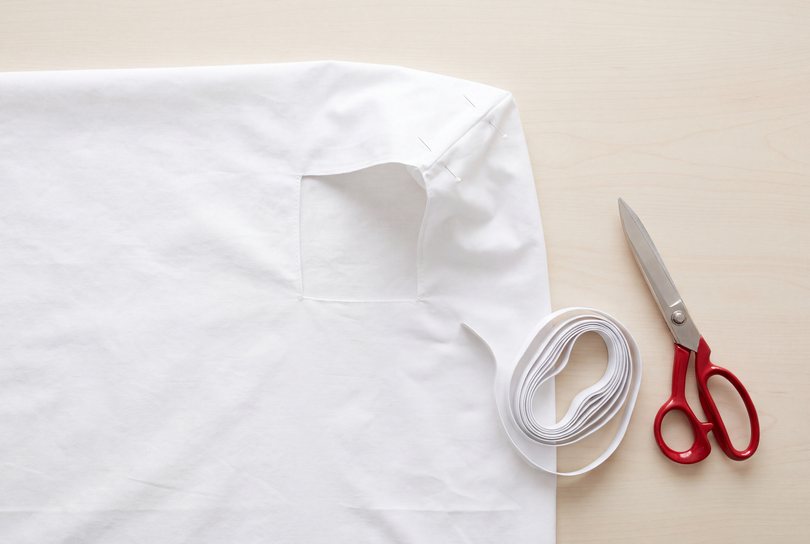
How do you sew a fitted sheet from a flat sheet?
A flat sheet is wider and longer than the mattress you put it on. The spare cloth at its edges can become the sides of a fitted sheet. That is the whole idea. You cut a square from each corner and sew each corner into a box. Then you add elastic so the edge pulls under the mattress.
What is a duvet, and where does it sit in the layers of a bed?
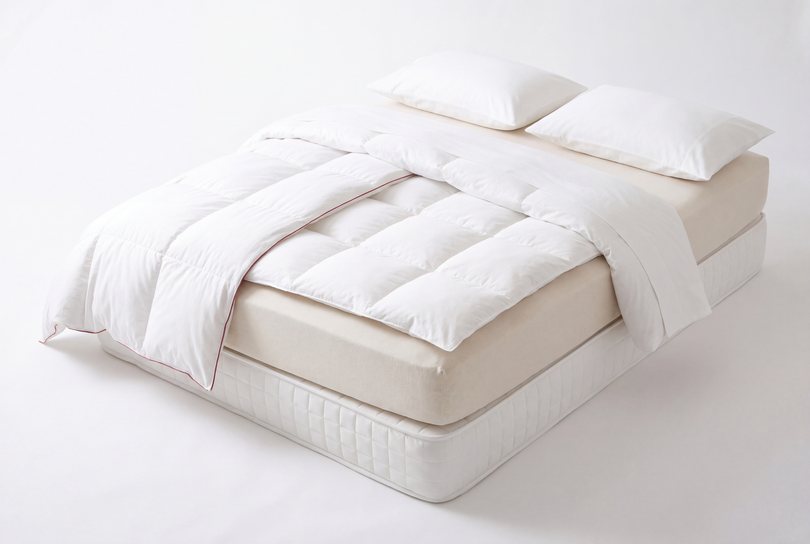
A duvet is the thick, filled layer you sleep under. On a made bed it is your top layer. It keeps you warm. The name causes most of the mix-ups. In an American store you will usually find a duvet sold as a comforter or a duvet insert.
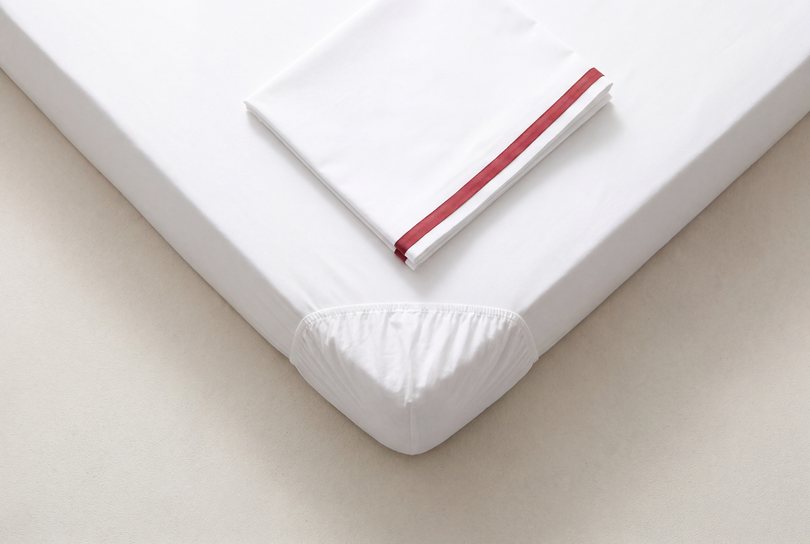
What is the difference between a flat sheet and a fitted sheet, and do you need both?
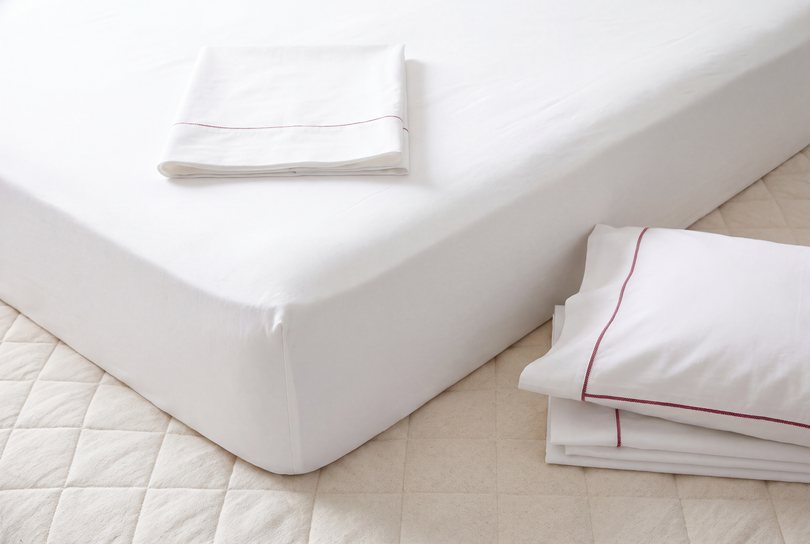
A standard American sheet set comes with one of each. Folded on a shelf, they look alike. They do different jobs, though, and each one goes wrong in its own way when you buy the wrong size or put it on the wrong layer.
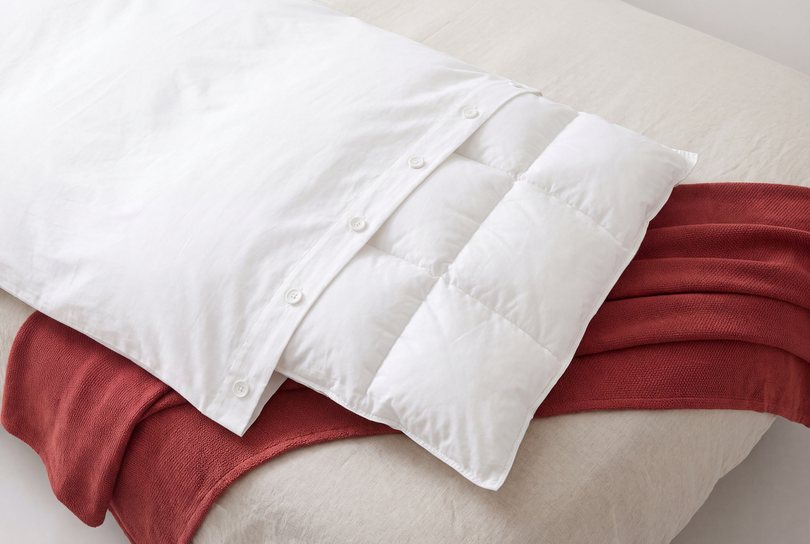
What is a duvet cover, and what does it do on a made bed?
A duvet cover is the removable, washable shell around the filled blanket on your bed. It is the layer you see. We read 14 seller product pages to find out how sellers describe it. Below, you will learn what the cover is and what it does on your made bed. You will also learn what fits inside it.
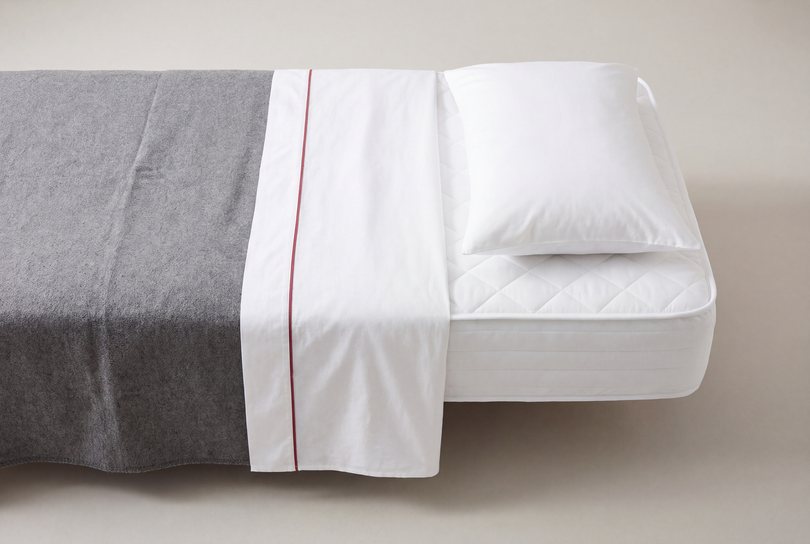
What is a top sheet, and do you need one?
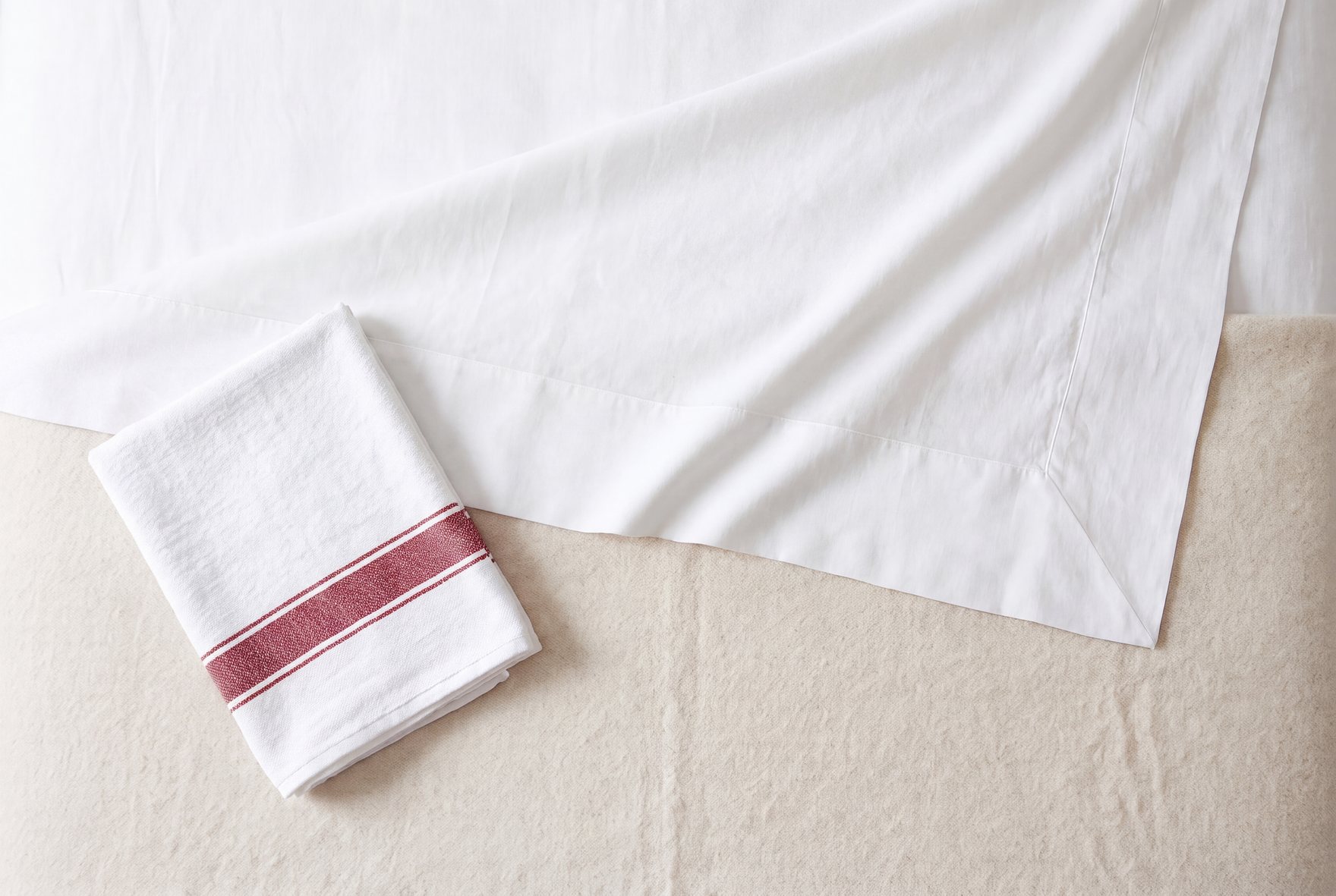
A top sheet is the flat, unfitted sheet that lies between you and your blanket. Its main job is to keep that heavier layer clean. Whether you need one depends on which layer of your bed you will wash every week.
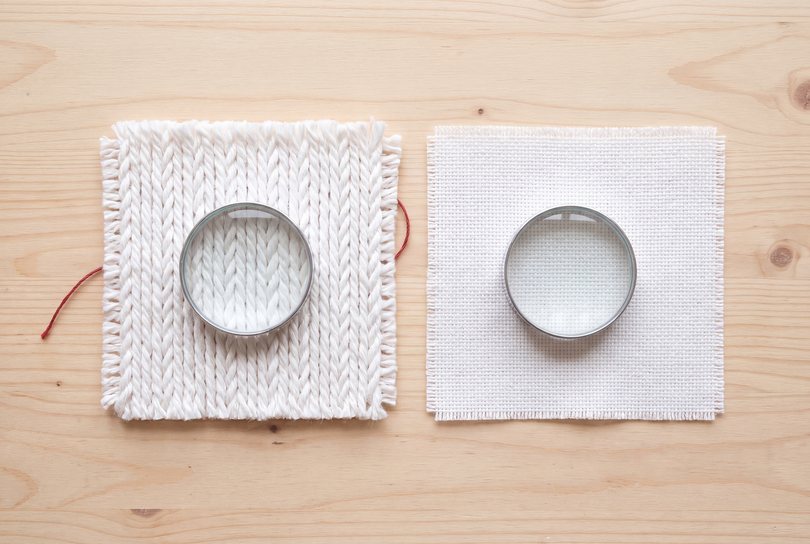
Is thread count a marketing number, and what should you read instead?
The biggest number you see on a sheet listing is usually the thread count. It is the easiest to inflate. This page shows you what the count measures, how sellers stretch it, and which facts on a listing tell you more.
Bed builder
What should your bed be made of, layer by layer?
About Top Sheet
Why treat the bed as a system?
Because every layer changes what the layers under it have to do, and swapping one without the others is why beds stop working.
Put a heavier duvet on and the sheet underneath matters more. Drop the wash temperature and the pillow protector has to work harder. Nothing in a bed is independent of the rest of it.
So this is organised by the job each layer does, not by the aisle it was bought from.
Does thread count mean anything?
Almost nothing above roughly 400, where counting methods diverge enough that two labels stop describing the same cloth.
Weave, fibre length and finishing do the work people credit to thread count. Those get their own pages here, with the trade terms explained rather than dropped.
What gets covered?
Four things: what the layers are, how they go together, how they are washed, and how long any of it should last.
Percale, sateen, linen and flannel, and what each does on a hot night.
Building a bed for a season, and the top-sheet argument itself.
Water temperature, detergent chemistry, and the case against fabric softener.
Drying, storing, rotating, mending, and when to admit a sheet is finished.